Maple ridge tax partner scam is another internet frauds in which users report receiving text and emails about tax refunds, financial services and threats claiming to be from maple ridge tax locations.

This maple ridges tax partner is gaining attention because they appear like authorized tax refunds staff’s offerings to renew users’ expired tax, payments of tax services and financial services.
Their goal is to get insight on users’ account information by using tax related services to deceive users, and sending financial threats like your tax has been outdated, and your accounts have been deactivated so that users can fall for the tricks.
In this detailed guide you will know how maple ridge tax partner scam works, if maple ridge tax partners are legit or scam, warning signs to watch out for and how users can protect themselves in order to stay safe online.
What Is Maple Ridge Tax Partner Scam?
This is an internet fraudulent activity designed by scammers to deceive users with tax related services, messaging the users with investment plans and claiming to be banking staff.
They usually target older individuals with financial threats like overdue tax, banning of bank accounts, and irregular activities in the users bank accounts. Follow by asking for their bank details and account information in order to rectify the problem.
These strategy plans make them look professional and legitimate which make users fall for the tricks.
How the Maple Ridge Tax Partner Scam Allegedly Works
To know how these scammers schedule their plan, let’s carefully analyze these steps.
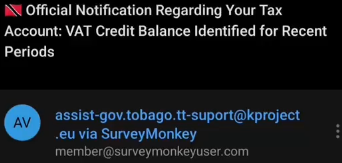
- Sending emails with unverify sender address:
Looking at the sample of sender addresses used above, they pretend to be from the government and at the same time they also include different unverified names. This is what most of these sender addresses look like.
- Sending suspicious mail:
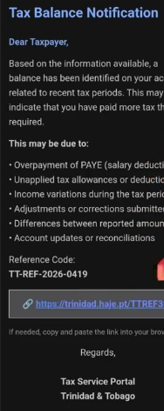
One of the methods they often used is to send suspicious mail like tax overdues, emergency threats, and tax refunds schemes. Then users will be asked to input their personal information in order to claim the tax refunds.
- In correct tax references:
These scammers use random tax reference numbers to make it legitimate like “TT-REF-2026-0419”. As older individuals may not be able to differentiate between a real and fake tax reference number make it easy for them to target older persons.
- Inserting fake links:
Like the sample sent above, these scammers will insert a link that will direct them to verify websites where they will be asked to input their personal information. A legit tax mailer will not insert a suspicious ink and ask users to paste it into their borrowing.
- Directing users to unverify websites:

After clicking the links, users will be directed to an unverified website like the one sent above, where they show a tax balance with amounts and the reference number. To claim the amount the user will be asked to input their account details in order to withdraw the funds.
- Asking for personal information:

To continue the process users will be asked for various personal information like the names, address, and identification number. Gaining sight on the user’s information can lead to tracking account details, and mobile phones.
- Unwholesome activities:
After these scammers have gained insight on users details, this may possibly lead to account debits, tracking phones and financial frauds.
10 Common Red Flags and Warning Signs You Should Not Ignore
- Emails with unverify sender address
- Inserting suspicious links to the mails
- Asking users personal informations
- Message with urgency and threats
- Fake references number and tax id
- Asking to click a link in order to claim an offer
- Asking to call a number
- Crediting alerts without proper transactions
- Good to be true offer
- A message that looks like a threat to personal life.
Reported Complaints and User Experiences
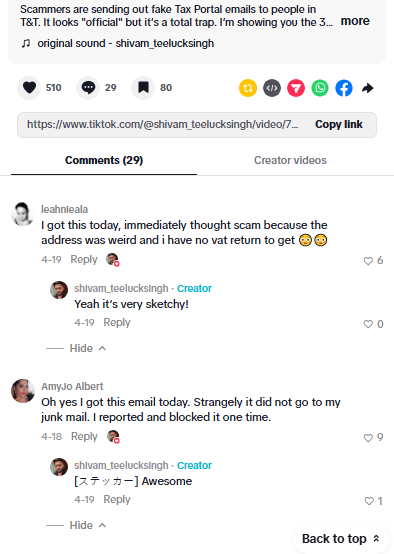

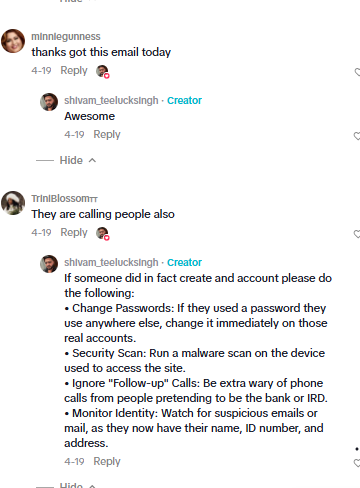
How User can Protect Themselves and stay safe from Tax Scams in 2026
- Do not click suspicious link inserted to the mails
- Do not disclose your personal information
- Always verify from official tax authority like IRS government you received a tax messages
- Enable scam scanner on your mobile applications
- Never call a number claiming to offer tax refunds
- Never visit unverify portal
- Do not share your account details
- Avoid good to be true offers
- Follow up to date information.
What to Do If You Have Already Been Contacted or Scammed
- Report to the financial authorities immediately
- Verify the message from IRS tax portal
- Contact your financial organization
- Change your login password immediately
- Delete the message immediately
- Contact the nearest security office in your area
- Never reveal your bank information.
Final Verdict: Should You Trust Maple Ridge Tax Partner?
These maple ridge tax partners are financial and tax organizations offering tax related service and investments plans but scammers are using these to deceive users and pretend to be from legit tax authorities.
Users are advised to verify any tax email through the official portal and not disclose their personal information in order to stay safe from internet frauds.
Related Scam Alerts and Tax Fraud Guides
You may also find these related scam alerts and financial safety guides helpful:
- IRS Notice CP53E 2026: Scam Alert or Legit Tax Refund Notice?
- Fake Payment Email Scam: “You’ve Been Paid” But No Money Received? Here’s What’s Really Happening (2026 Guide)
- PayPal Scam Alert 2026: ‘Julie Haas Sent You Ft 1 HUF’ – Don’t Fall for This Fake Payment Email
- SJ3 Norman Enterprises PayPal Review 2026: Scam Alert – Don’t Fall for This Trap
- Beware of Fake Evite Scam: How Scammers Use Fake Invitations to Steal Your Information (2026 Guide)
Disclaimer:
This article is published for educational and awareness purposes. The information provided is based on public research, users complaints, and general scam alerts at the time of writing. We do not make direct legal accusations against any individual, company, or organization.
Readers are encouraged to conduct their own independent research before engaging with any financial or tax-related service. If you believe you have been affected by fraud or identity theft, contact the appropriate authorities or a qualified legal professional immediately.